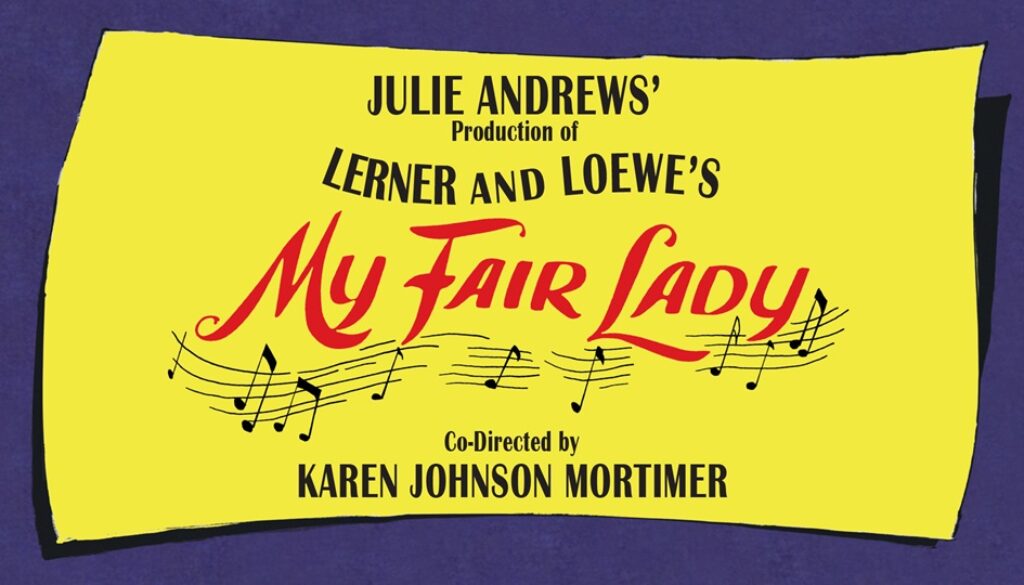
The Transformation and the Teacher: Analyzing the Heart of My Fair Lady
My Fair Lady is often celebrated for its sweeping score and lavish costumes, but at its core, it is a masterclass in character dynamics. Based on George Bernard Shaw’s Pygmalion, the musical explores a fascinating, often friction-filled relationship between two of theater’s most iconic figures: Eliza Doolittle and Professor Henry Higgins.
As we revisit this Lerner and Loewe classic, let’s dive into the two personalities that make this “loverly” story so enduring.
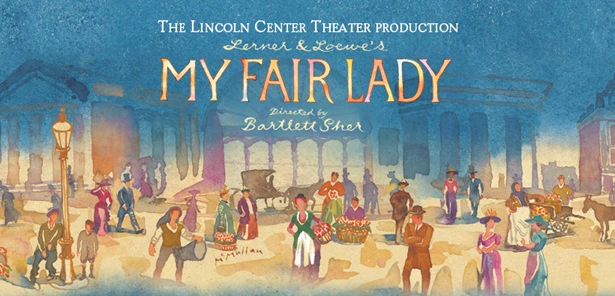
The Unlikely Duo: A Study in Contrasts
While the plot focuses on a linguistic experiment, the real magic lies in the clash of temperaments.
1. Eliza Doolittle: From Cockney Flower Girl to Independent Lady
Eliza is the ultimate underdog. When we first meet her at Covent Garden, she is a woman defined by her circumstances but fueled by ambition.
The Catalyst: She doesn’t want a prince; she wants a job in a flower shop. This practical ambition is what drives her to seek out Higgins.
The Metamorphosis: Eliza’s journey isn’t just about “proper” vowels and H-dropping. It’s about the realization that her worth isn’t tied to her accent.
The Strength: By the final act, Eliza surpasses her teacher. She realizes that while Higgins taught her how to speak, she already knew how to feel—and how to demand respect.
2. Professor Henry Higgins: The Brilliant, Blustering Bachelor
Higgins is a complex “hero.” He is a world-class phonetician who is intellectually brilliant but emotionally stunted.
The Cynic: Higgins views life through a clinical lens. To him, Eliza is initially a “deliciously low” subject for a wager, not a person.
The Conflict: He famously sings about being an “ordinary man,” yet he is anything but. His difficulty understanding women and his reliance on rigid logic make him a frustrating yet comedic figure.
The Vulnerability: Despite his claims of being “unshakeable,” his final realization—that he has “grown accustomed to her face”—reveals a man who has finally been moved by a human connection he didn’t think he needed.
More Than Just Lessons
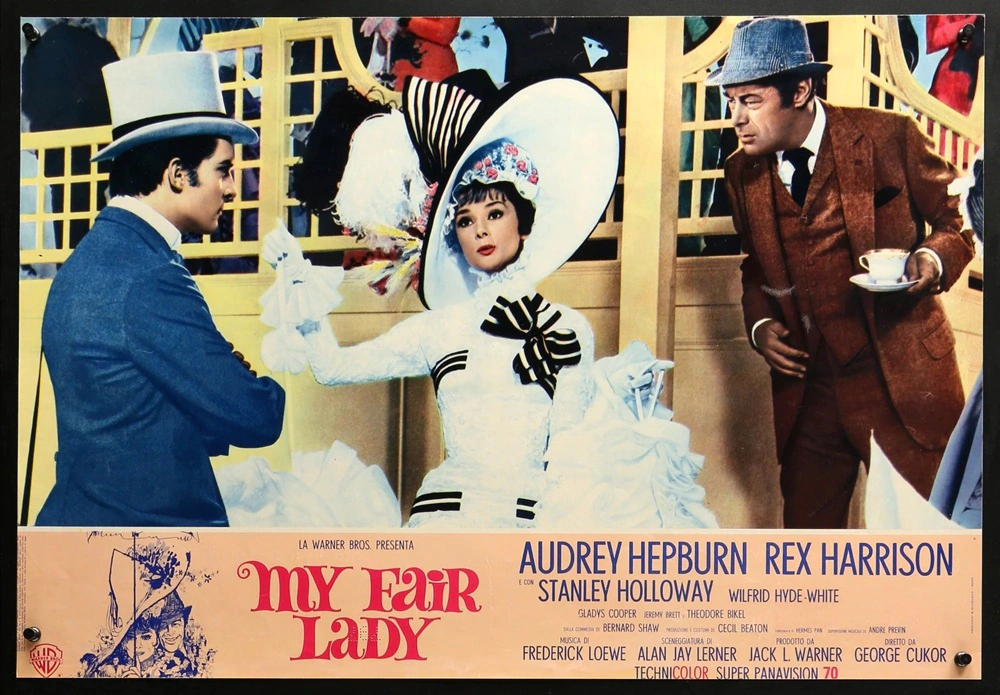
The relationship between Higgins and Eliza is rarely a traditional romance. It is a battle of wits. Higgins provides the tools for Eliza’s social mobility, but Eliza provides the soul that Higgins’ sheltered, academic life was missing.
As they navigate the “Rain in Spain” and the high-society hurdles of the Embassy Ball, we see that the real transformation isn’t just Eliza’s speech—it’s the shift in how they view one another.
Conclusion: The Lasting Legacy of Eliza and Higgins
In the end, the psychological dynamic between Eliza Doolittle and Henry Higgins is what makes My Fair Lady more than just a musical about elocution. While Professor Higgins changed Eliza Doolittle’s life by giving her the tools to navigate high society, it was Eliza who ultimately taught the Professor about the depth of human emotion.
From her character arc as a Cockney flower girl to her emergence as a woman of independent thought, Eliza proves that true transformation isn’t about how you speak, but how you value yourself. Whether you view their relationship as a complex romance or a power struggle of gender roles and social class, there is no denying the brilliance of Lerner and Loewe’s masterpiece. Their story remains a timeless exploration of what it means to truly “find your voice.”
“The difference between a lady and a flower girl is not how she behaves, but how she’s treated.” — Eliza Doolittle
Who do you think is the more compelling character? Is My Fair Lady a story of romance, or a story of a woman finding her own voice in a world that tried to define it for her?