The State of Broadway 2025-2026: Box Office Trends & New Openings
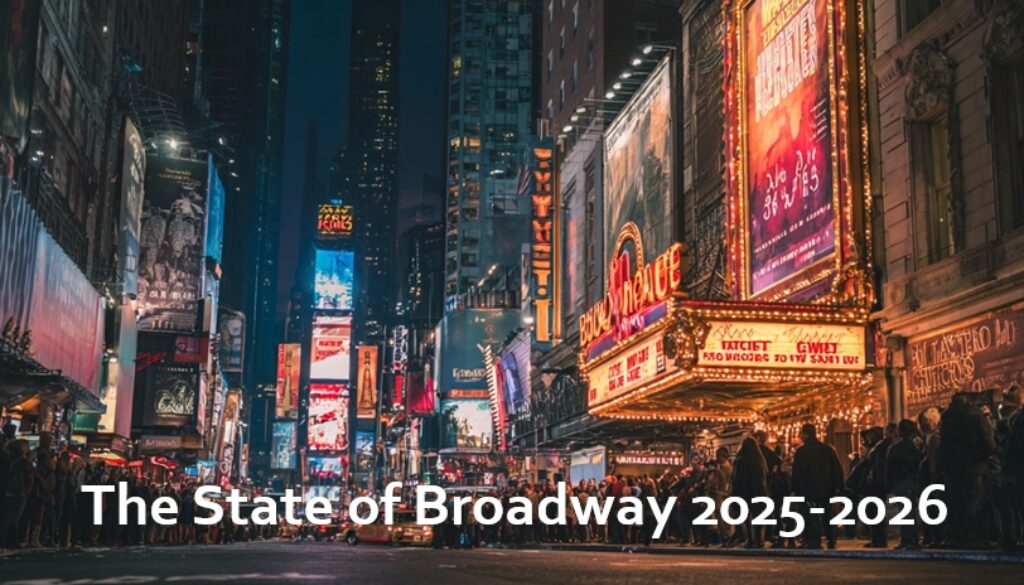
The State of Broadway: 2025-2026 – A Season of Spectacle and Substance
The 2025-2026 season on Broadway showcased an industry both vibrant and still navigating its path toward full recovery and a new identity. If the previous few years were marked by tentative steps and a focus on beloved revivals, this season has been characterized by a surprising number of ambitious new works and a significant shift in audience engagement.
We are seeing a landscape that is both more technologically daring and more demographically diverse, proving that the Great White Way is more than just a street; it is a continuously evolving expression of human creativity and connection.
New Shows, New Tech, New Energy
Perhaps the most striking indicator of Broadway’s renewed energy was the number of new productions that took a bow. Producers and investors showed a marked increase in confidence, bringing over 35 new shows to the stage—the highest number in nearly a decade. This wasn’t just a volume play; it was defined by a surge of original work.
The season didn’t belong only to massive revivals (like a critically praised, dark interpretation of Oklahoma! and a contemporary Into the Woods). The musical category also saw groundbreaking originals like Starlight, a show that explored the origins of astronomical discovery. This production leveraged cutting-edge holographic projections to put audiences inside nebulas and star fields, redefining the relationship between theatre and tech.
It felt as though Broadway was finally shaking off the pandemic hangover, leaning into both spectacle and substance in equal measure. Straight plays also found robust audiences, particularly with the limited run of Ghosts of Weimar, a timely historical drama that received high praise and surprisingly robust box office returns, suggesting that audiences still crave thoughtful, issue-driven drama.
The Complexity of the Box Office
The financial success of the 2025-2026 season presents a complex, nuanced picture. The sheer number of shows did translate to higher overall grosses, with the season gross surpassing previous highs. The top-tier productions—the mega-hits and the buzziest new shows—regularly posted astonishing numbers. Starlight, with its huge spectacle, often commanded ticket prices well into the hundreds of dollars and consistently played to 95% capacity. This concentration of revenue at the very top highlights the massive impact the ‘blockbuster’ model continues to have on the industry’s finances.
However, the middle-market productions faced a more volatile environment. Newer, critically acclaimed shows that lacked star power or established brand recognition struggled to find consistent audiences. They relied heavily on positive word-of-mouth and aggressive dynamic pricing, creating a landscape where a production’s fate could turn in a single weekend. This volatility emphasizes that while the industry is grossing more, it is not yet evenly distributed, and the pressure on non-musical plays and niche productions remains intense.
Admissions, Audiences, and Accessibility
The most significant and positive trend of the 2025-2026 season was a demographic one. Total attendance numbers exceeded pre-pandemic levels for the first time since 2019, driven not just by a strong return in international tourism, but by a substantial surge in domestic attendance—specifically among younger demographics.
Industry-wide initiatives focused on accessibility, like the expansion of rush tickets and lottery programs through platforms like TodayTix, combined with several key productions that resonated directly with younger viewers, created a visible change in the audience. Shows like Harmonies of the City, a new musical celebrating urban resilience and diverse soundscapes, actively cultivated a younger, more ethnically diverse base.
This shift suggests that Broadway is successfully cultivating a new generation of theatergoers, securing the medium’s future relevance and challenging the traditional view of the audience as primarily older and affluent.
The Power of Continuity
While new shows generated much of the buzz, the season was also defined by the remarkable continuity of the ‘Big Four.’ Long-running productions like Wicked, Hamilton, The Lion King, and The Book of Mormon continued to play to near-capacity houses week after week. These cultural institutions are the bedrock of Broadway’s financial stability. Their sustained success provides the necessary profits for theatre owners and producers to take risks on new, unproven works, demonstrating that the future of Broadway depends on both novelty and tradition.
A Defining Chapter
As the 2025-2026 season draws to a close, the State of Broadway is best described as dynamically resilient. While the industry still faces substantial challenges—especially the increased financial pressure on middle-market productions and the continued reliance on blockbusters—there is undeniable evidence of growth and innovation. The explosion of new productions, the successful application of new technologies, and, most importantly, the expansion and diversification of the audience all point to a theatre industry that is looking forward, not back.